Build a new product
From idea to production.
We bring you the three key skills: UI/UX design, product and engineering. You're supported at every step of building your product.
Our method
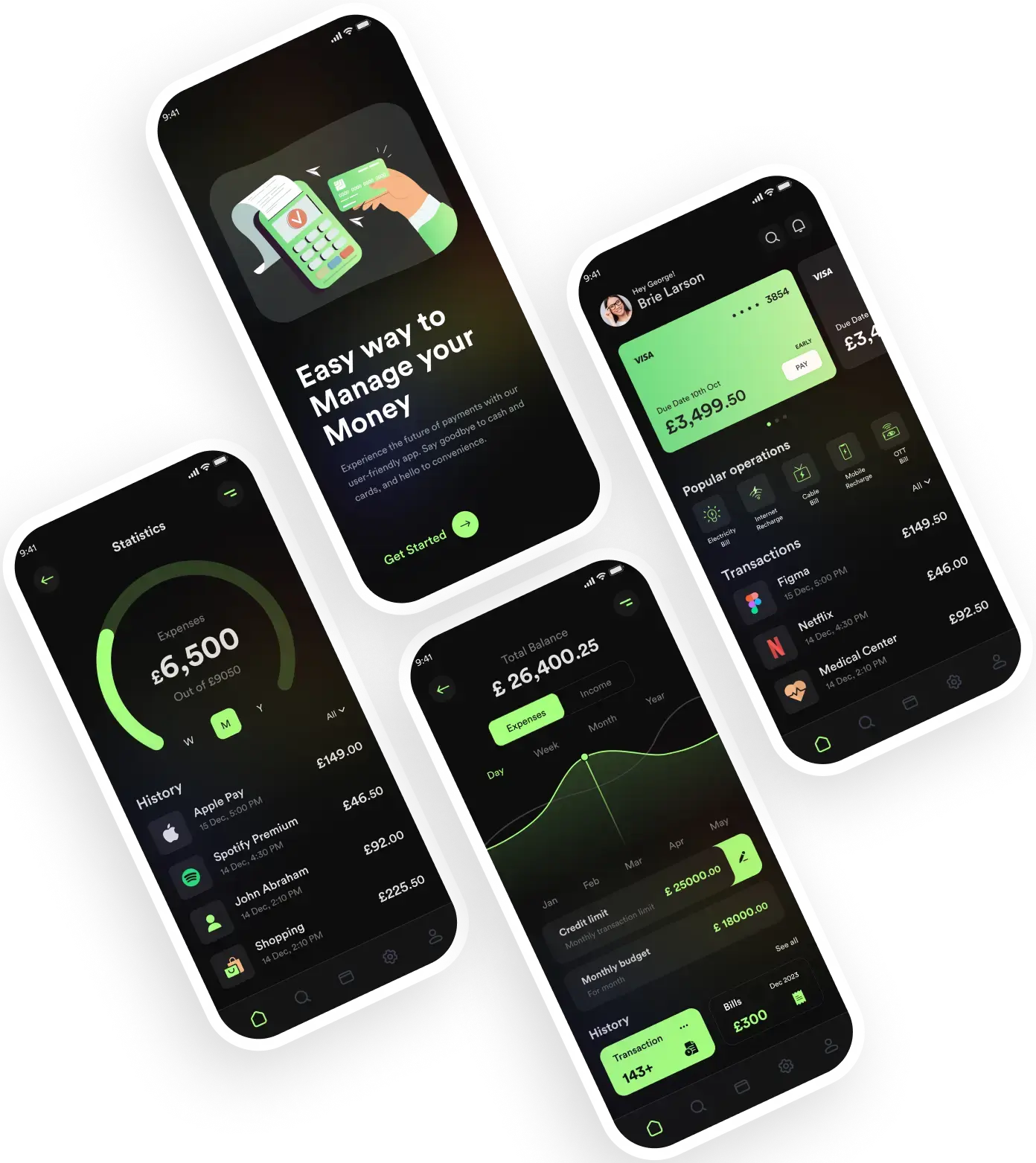
Four steps, zero surprises.
Scoping and spec
We identify the business goals and constraints with you: audience, problem to solve, market, functional needs. We write a spec that aligns everyone's vision.
Visual and functional design
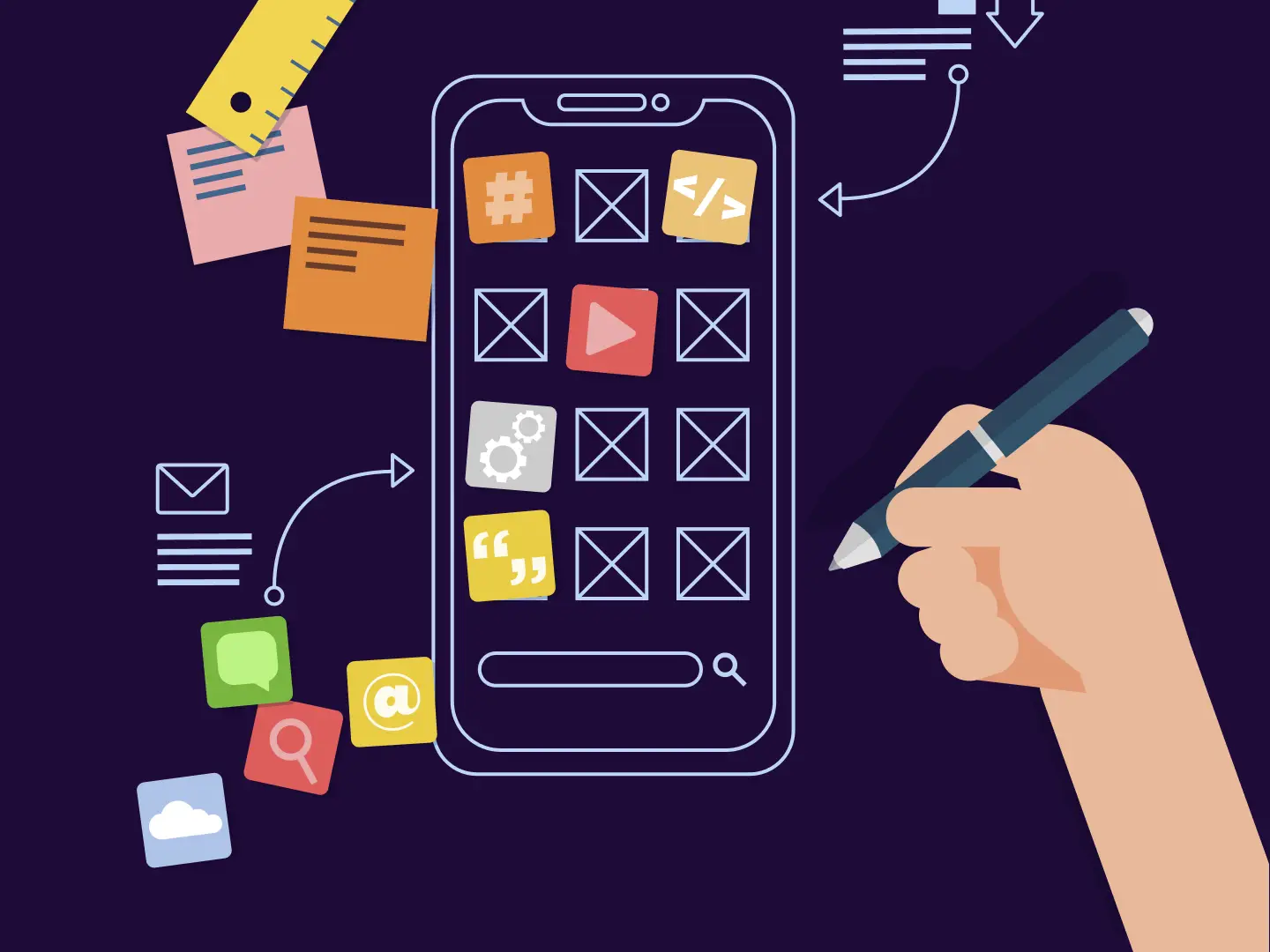
Once the need is validated, we design wireframes and mock-ups in Figma to optimise UI/UX — sometimes in parallel with the spec.

Product development
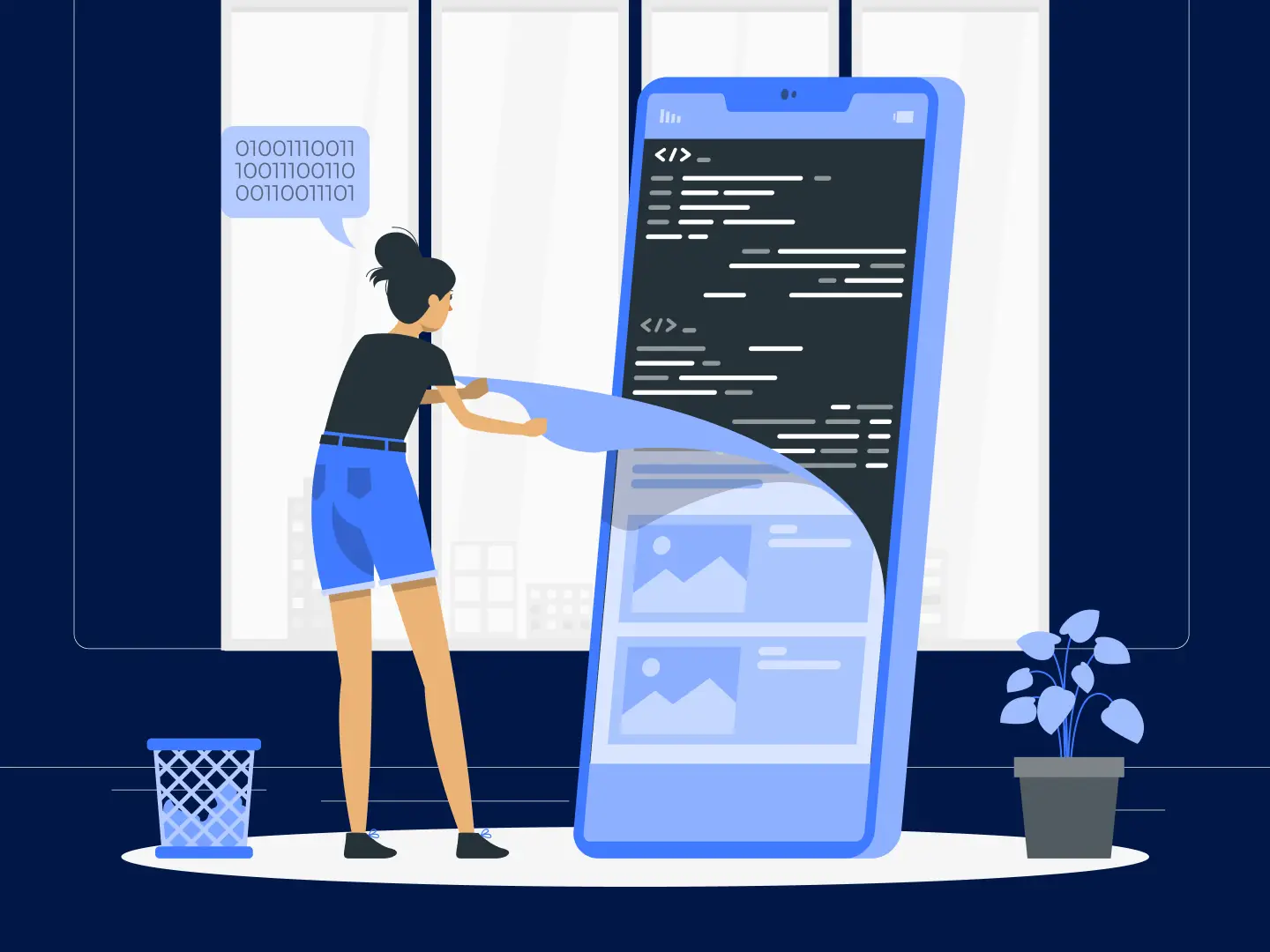
Once the spec and wireframes are approved, we move to delivery. Agile method: priority to features that maximise value.
Maintenance and iteration
After launch: user feedback analysis, recommendations, and improvements rolled out to keep enriching the experience.
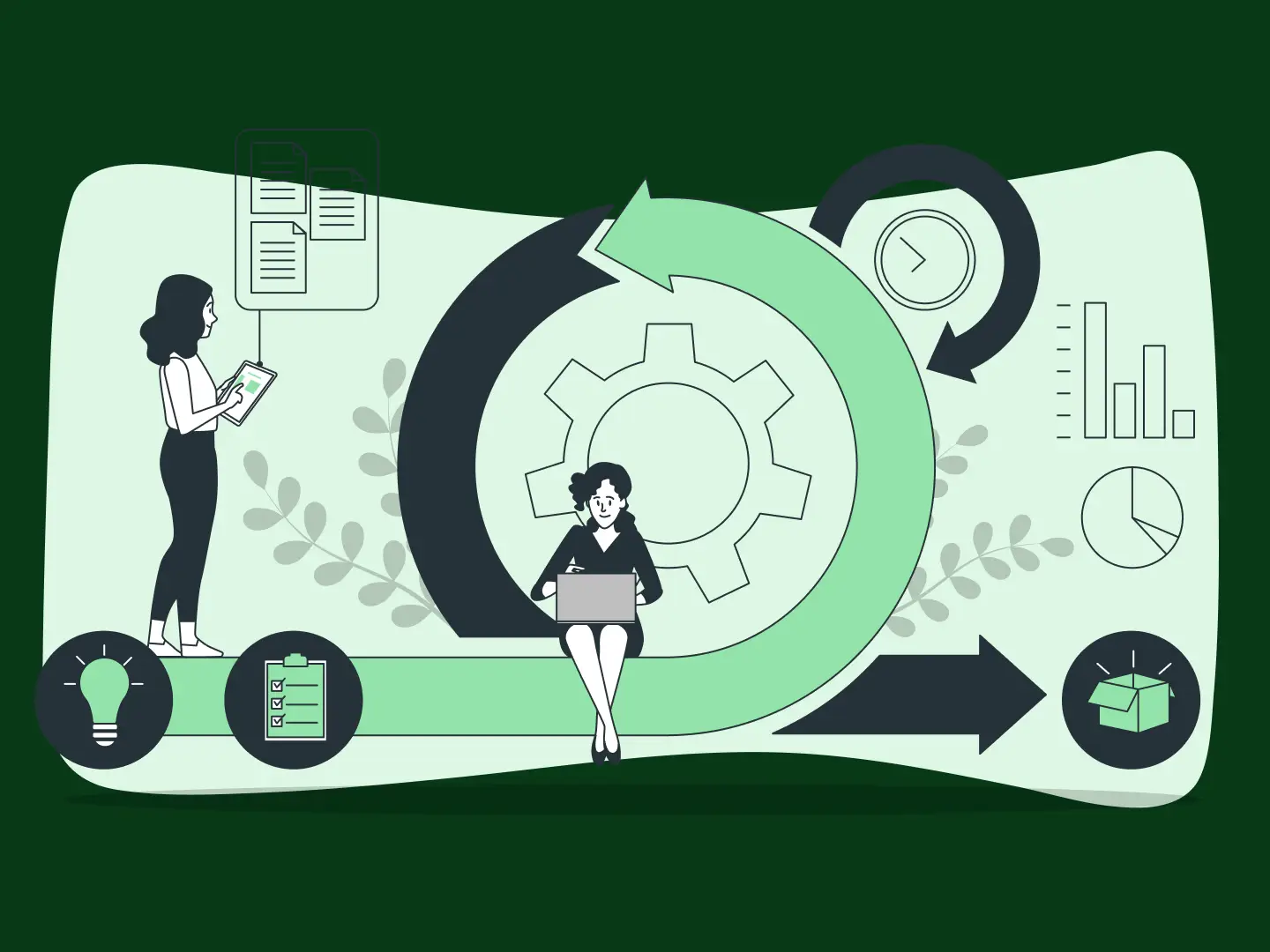
Our MVP approach
To minimise your time-to-market.
Are you an entrepreneur with a product idea? A company or large group looking to launch a new offering? We help you build and launch your MVP in a few weeks.
The goal is to gather user feedback quickly and adapt your product to their needs — while cutting development costs through a method built for it.
Technologies we use
 Cloud
Cloud Front-end
 Backend / Android
 Database
 Performance
 Mobile
Our client successes
We build our own products. That's why we know how to build yours.
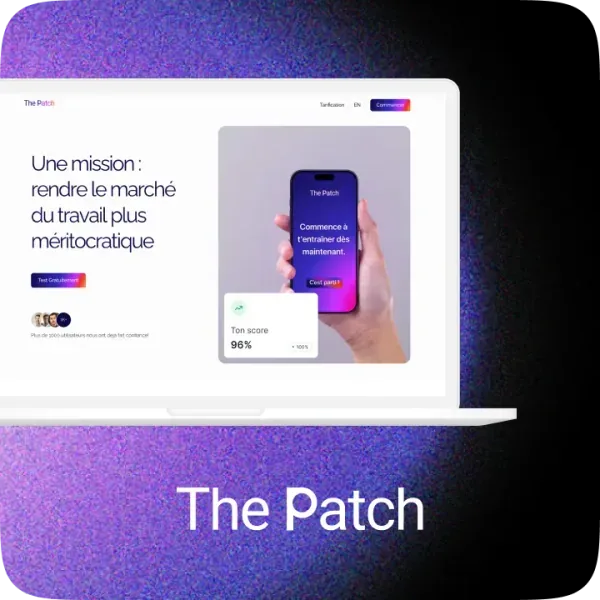
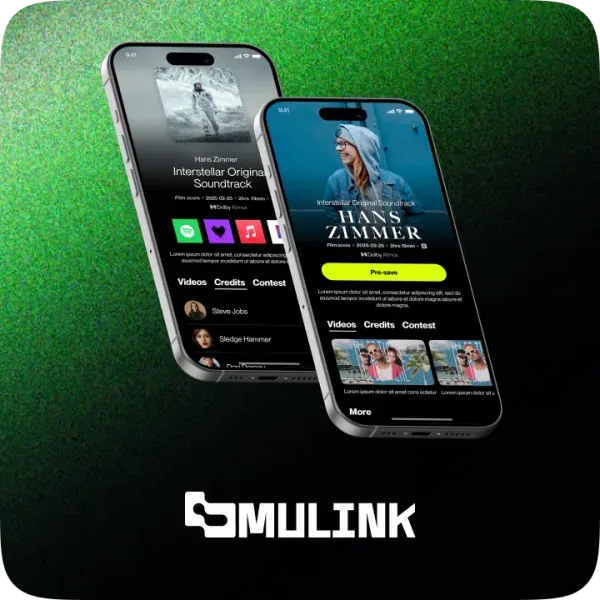
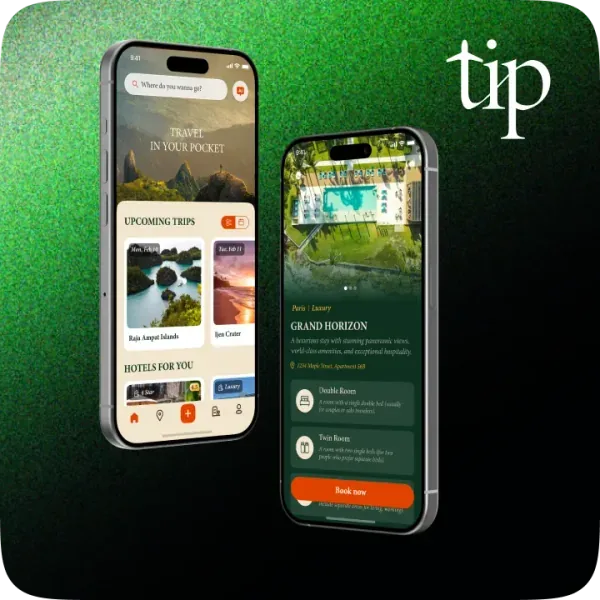
Building a product from scratch is the most demanding and the most exciting exercise. You arrive with an intuition or a spec. We leave with a product in production, users, and metrics. We cover everything: user research, product design, technical architecture, development, go-live. Suited to first-time founders who need a full team, or to intrapreneurs who want an external studio to move fast.
Typical use cases
Funded startup MVP
Seed round closed, validated idea, need a product live in 10-12 weeks to acquire the first customers.
Corporate spin-off
Subsidiary of a large group or SME testing a new business model without building an internal team.
V2 of an internal POC
A no-code or Excel prototype that's proven its value internally and now needs to become a product external customers can use.
Our method in brief
Four clear steps. (1) Scoping — 1-2 weeks: spec, Figma wireframes, reasoned tech choices. You leave with a fundable project even if we stop here. (2) Design — full UI/UX, sometimes in parallel with dev. (3) Development — 2-week sprints, demo + release every cycle, production access from week 4. (4) Maintenance — user feedback analysis, recommendations, iterations. First visible deliverable in weeks, not months.
Stack & technologies
Web front-end: React 18 + Vite or Next.js 15 depending on SEO/performance. Mobile: Flutter by default (one codebase for iOS+Android+Web) or React Native. Back-end: Node.js (NestJS) or Python (FastAPI), PostgreSQL, Redis. Auth: Clerk, Supabase Auth, or Auth0. Payments: Stripe, Lemon Squeezy. Infra: Vercel + Supabase for speed, AWS when scaling demands it. Everything is versioned, tested and monitored from day one.
// 70+ products shipped over 8 years, median MVP in 10 weeks, payment only on validated delivery
Frequently asked questions
Do you take equity instead of cash?+
Not by default, but it's negotiable. We've made the mistake of mixing the two too often. Our baseline model is fixed-price + payment on delivery. For projects we particularly love, we can discuss a mix of cash + warrants at signing.
What do we leave the scoping phase with?+
A functional spec (10-30 pages), clickable Figma wireframes, a costed technical architecture, a detailed plan, and a firm quote. Documents designed to be presented to an investor or an executive committee.
How many people work on the project?+
A dedicated team of 3 to 6 people depending on scope: product owner, designer, lead dev, front-end dev, back-end dev, sometimes mobile. You have a single point of contact at Zetos. We don't share resources across clients like a body-shop.
Can you build native iOS/Android apps?+
Yes, but we often start with Flutter, which covers 90% of needs while keeping a single codebase. We switch to native (Swift/Kotlin) when the app needs OS-specific features (ARKit, widgets, heavy graphics performance).
Got a project?
Nothing beats a conversation to shape the right solution together.